
Russian Artist Speaks on the “First Cultural Horse”
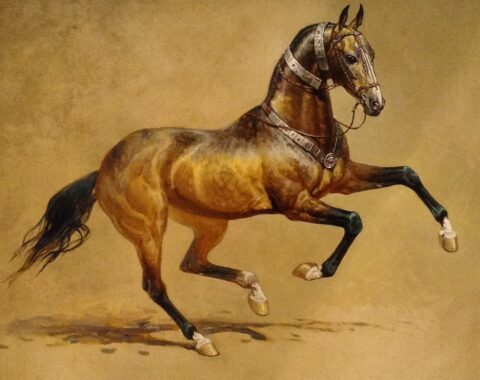
A splendid video of renowned Russian equine artist Alexey Nikolaevich Glukharev on exhibit at the 18th International Exhibition “Equiros 2016” with his beautiful variety of horse works. At about
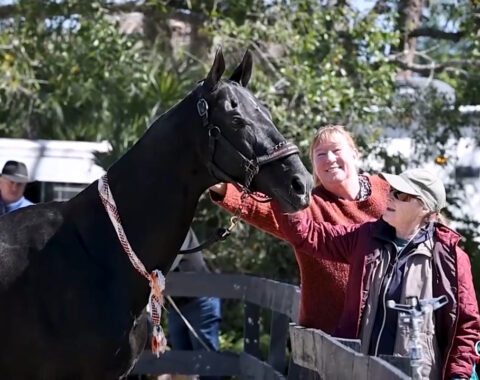
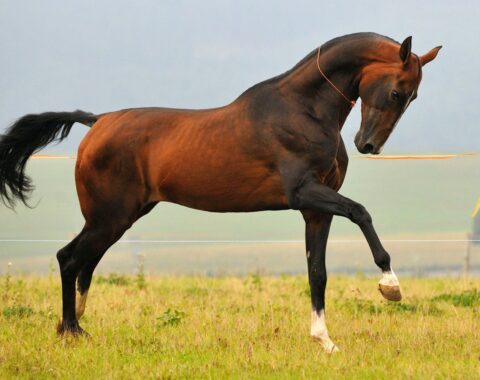
The Akhal-Teke Association of America led a feature for the Akhal-Teke horse with Horse Capital TV! So wonderful to see more coverage of this special breed shared locally within
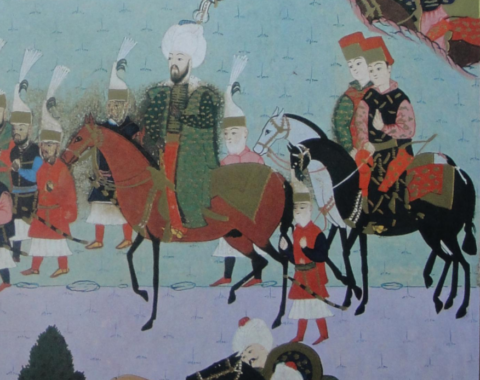
“In the period between the fourteenth and nineteenth centuries, the Turkish argamak (thoroughbred) emerged from the nexus of nomadic horse trade and empire to become an expression of the
Today we celebrate the safe arrival of frozen breeding doses from the cosmic, late stallion, Perengistan!! Shared generously by Medeus Stud in Italy and smoothly imported by Mersant International.
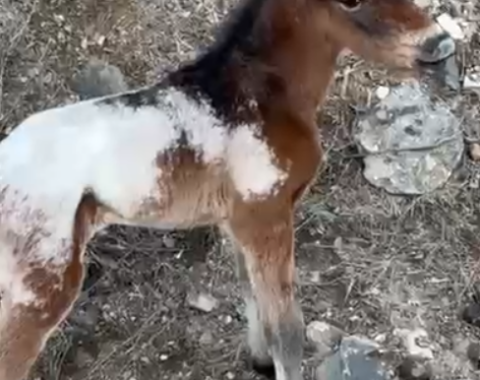
The first Chaar Appaloosa foal and filly of year arrived today! Born out in the wild high-pastures around Toktogul and now has been safely brought down the mountain to
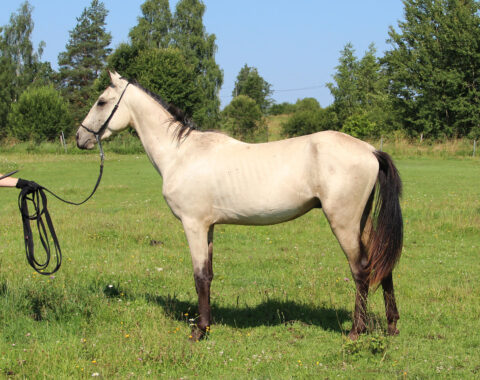
Featured for International Sale- Proven broodmare and riding horse OKGUNLY EST (Myrat x Ozariya, Posman sire line, Ovgan dam line) 2015 smoky black mare, 156cm Offered with international concierge
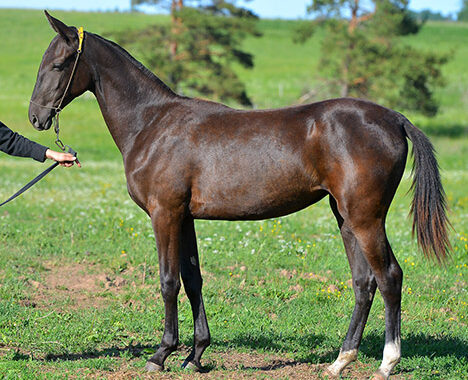
Looking for the perfect purebred Akhal-Teke to be your next riding partner or to refine your breeding program with? We are thrilled to announce several exceptional Akhal-Tekes for your
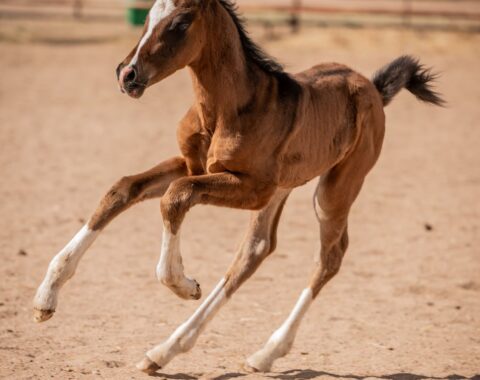
Meet Aeon-Arc Our 2.17.26 Akhal-Teke Colt by Galapker-Dacor and out of Atakty-Dacor. Aeon is the ancient world spelling (like aion) of “eon”, meaning timeless, eternity, and enduring power. This
“Akhal-Teke Horses: Heavenly Creatures”: A film on the Akhal-Teke, the culture surrounding them as a national emblem in Turkmenistan, and an overview of their history–currently available to watch online
Akhal-Tekes, also called Argamaks by hippologists, have been given as royal and political gifts throughout history. We now know from genetic research that they were likely brought to England